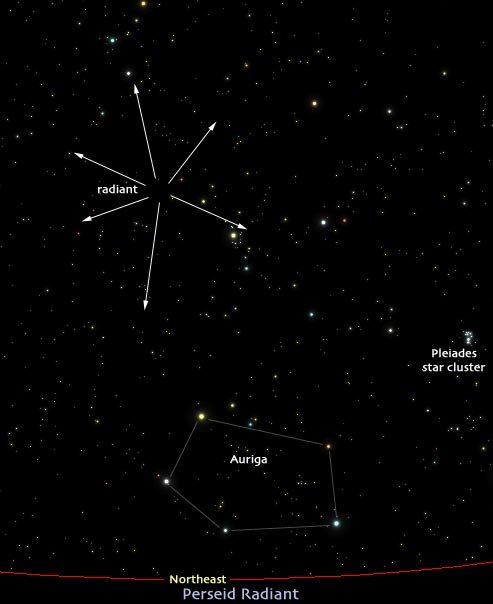
Perseid meteor shower
This shower peaks in mid-August, when Earth intersects the dust cloud left by comet Swift-Tuttle.


This is the most botched area in sculpture.
Are you working with (ZBrush/Blender) or traditional (clay/wax) media?
Instead of reading for 4 hours, do this: anatomy for sculptors
Instead of studying the entire skeleton, focus on these 10 critical surface landmarks:
Every muscle starts at one bone and ends at another. When a muscle contracts, it pulls those two points closer. Understanding this allows you to sculpt a body in motion accurately. This is the most botched area in sculpture
Muscles are the "engine" of the body’s form. For a sculptor, the goal isn't just to memorize names, but to understand origin, insertion, and function.
The primary reason anatomy is indispensable to the sculptor is structural. An architect must understand the load-bearing capabilities of steel and concrete before designing a skyscraper; similarly, a sculptor must understand the skeleton to build a believable figure. The bones provide the landmarks—the bony prominences at the shoulders, elbows, hips, and knees—that act as the anchor points for the entire sculpture. Without a solid understanding of the underlying skeletal framework, a sculpture risks collapsing under its own visual weight. If the proportions of the ribcage are wrong, or the tilt of the pelvis is misunderstood, no amount of surface detail can save the piece from looking awkward or impossible. When a muscle contracts, it pulls those two points closer
Think of these as two solid boxes connected by a flexible spine. The way these two masses tilt and twist against each other creates the "contrapposto" or natural weight shift of the body. The Engine: Muscular Mechanics
Once the scaffold is understood, the sculptor must turn their attention to the muscles. For the artist, muscles are not just biological tissue; they are the engine of the form. Understanding origin and insertion points—where a muscle starts and ends—is crucial. When a figure strikes a pose, muscles contract and stretch, creating a ripple effect across the surface of the skin. A sculptor who ignores anatomy will often carve a figure with "static" muscles, where every part of the body looks relaxed regardless of the pose. Conversely, an anatomically literate sculptor knows that if a model is lifting a heavy stone, the deltoids and trapezius must tense, while the opposing muscles stretch and thin out. This interplay creates the "rhythm" of the figure, the visual tension that implies potential energy and kinetic force.
Learn the skeleton first (30 bones), then learn the superficial muscles (20 groups). Ignore the rest. A good sculpture reads clearly from 10 feet away before the viewer looks at the details.
Anatomy doesn't end at the muscle. The final layer is what the viewer actually sees.