Strengthen the Physical Therapy-Anatomy Connection

Anatomy Tutorials for Physical Therapy provides an intuitive, clinically aligned path to PT mastery. Includes instructional videos, goniometry, interactive 3D models in motion, and more.

Skeleton jumping

Primal Pictures is part of Pharma Intelligence (Citeline), a Norstella company

This site operated by Pharma Intelligence UK Limited, registered in England and Wales with company number 13787459 whose registered office is 3 More London Riverside, London SE1 2AQ.

Seasons | By Hemisphere

Interactive 3D Apps and Software for Students, Educators & Healthcare

TRY FOR FREE  
scroll image

EXPLORE

Choose Accurate image

Let Primal tailor a solution to your specific education needs

Primal’s meticulously crafted 3D anatomical models form the dynamic foundation for a comprehensive, customizable portfolio of digital learning resources — for use in classroom to clinic. Our flagship platform, Anatomy.tv, and apps offer a flexible suite of tools tailored to support a wide range of health science programs, including Medicine, Dentistry, Nursing & Midwifery, PT & Sports Science, and Speech & Language.

Primal’s comprehensive content, reconstructed from real scan data by academic and anatomy experts, serves a range of topics, including:

Trust the anatomy used by millions worldwide

For over three decades, Primal’s pioneering and acclaimed software and apps on Anatomy.tv have empowered millions of students, educators, and healthcare professionals across 1,500+ institutions globally. Through our interactive 3D models, slides, animations, videos, in-depth explanatory text, and quizzes, Primal facilitates mastery in all stages of the learning journey.

Contact us to learn more or hear what our users have to say about Anatomy.tv…

Drag the image to rotate the anatomy

seasons by hemisphere
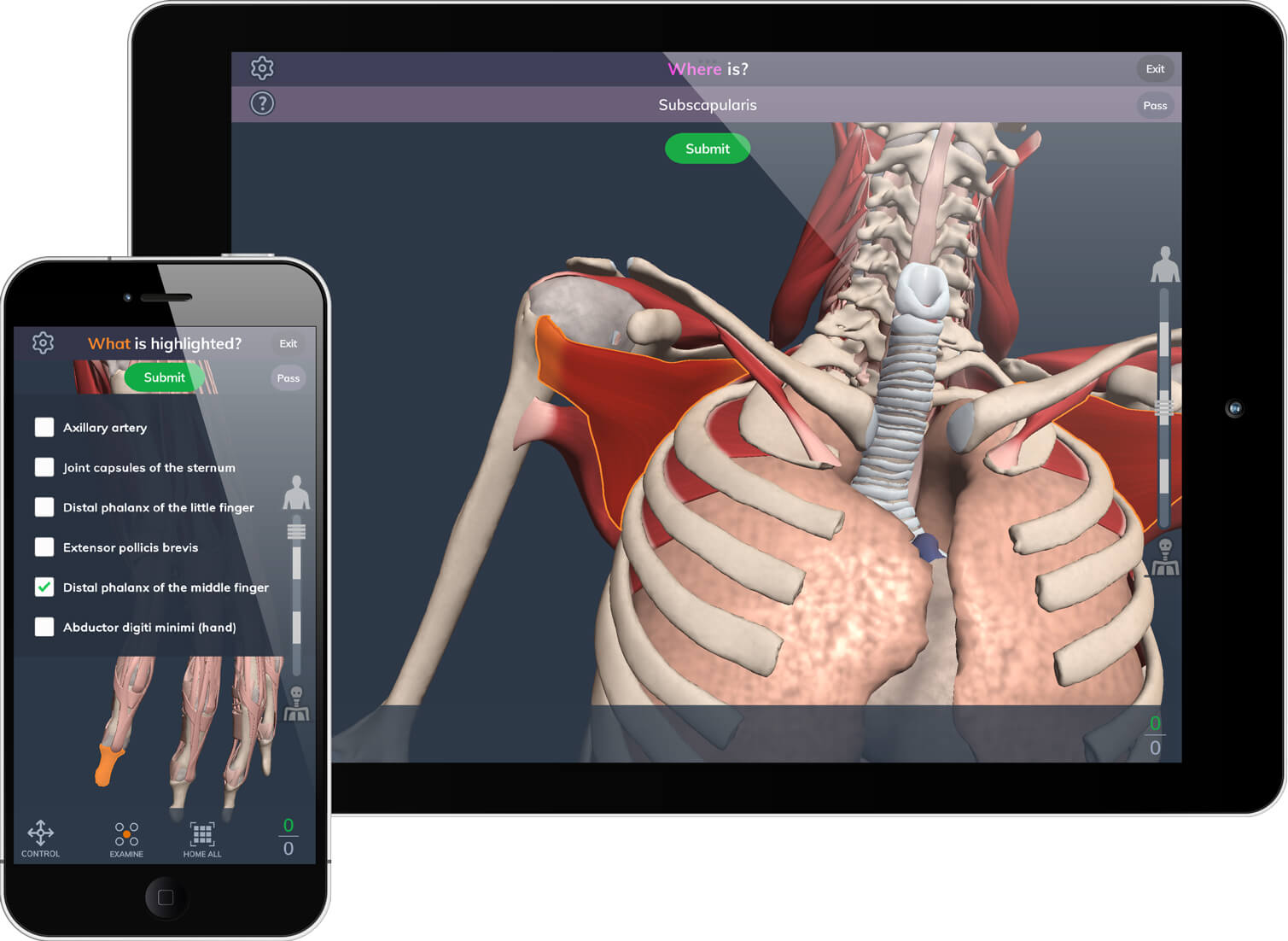
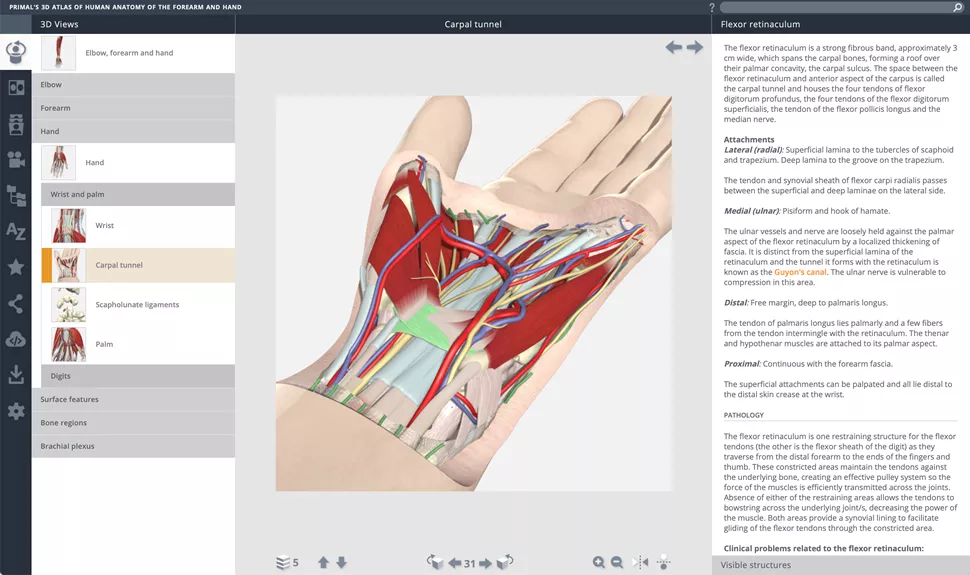
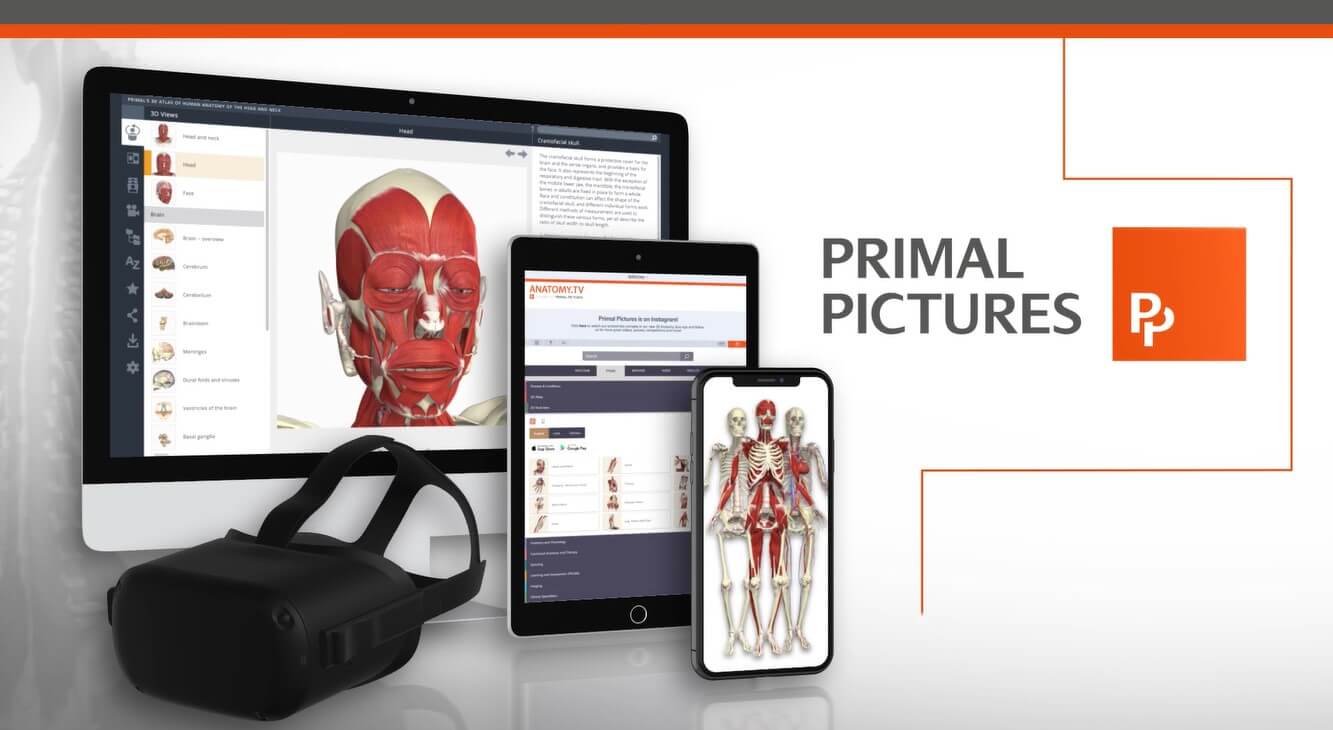
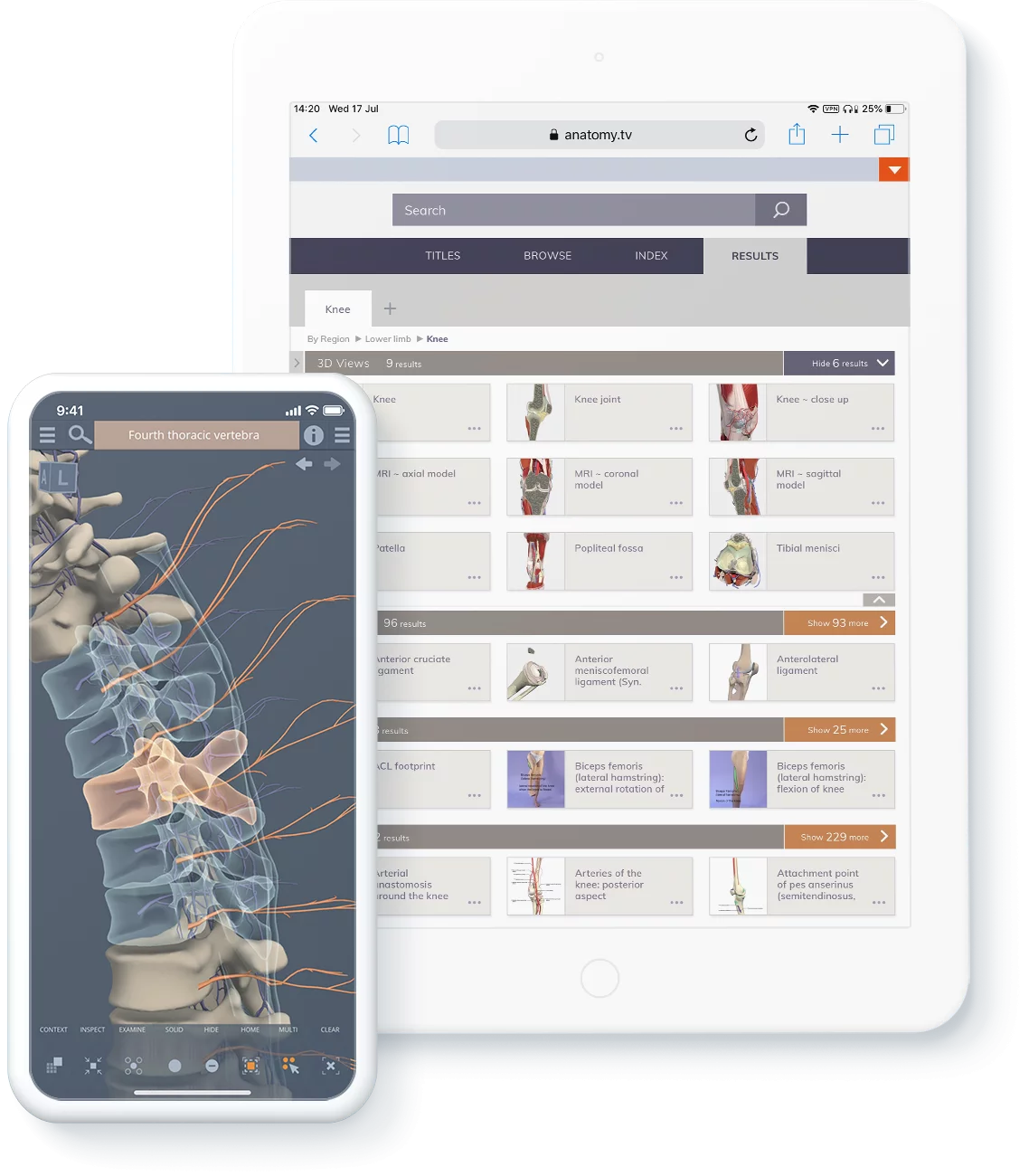
Mobile and desktop previews of the anatomy.tv application.

Leverage engagement and improve outcomes

Anatomy.tv resources feature:

  • Interactive 3D models and animations for active engagement in learning.
  • 3D models aligned with real-world data, including dissection images and imaging slides for context and relevance.
  • Downloadable, shareable, and embeddable content for seamless integration into your LMS or VLE.
  • Quizzes, interactive learning activities, and tools to build your own materials for self assessment and classroom evaluation.
  • Resources tailored for educators, students, and healthcare professionals, including accessibility features.
Choose Accurate image

“I have been using Primal for anatomy teaching to both training- and consultant-level surgeons. The level of detail Primal provides is unrivaled compared to other 3D anatomy platforms.”

– Ajith George, Consultant Head and Neck Surgeon
University Hospitals North Midlands, UK

Seasons | By Hemisphere

additional image
Choose Accurate image

“Students often ask, ‘How detailed do I need to know anatomy?’ I reply, ‘How detailed of a therapist do you want to be?’ Primal challenges the student to take those details to a level of mastery.” seasons by hemisphere

– Jim Lewis, Associate Professor
Brenau University, USA

Seasons | By Hemisphere

Choose Accurate image

“If a product is clean, user-friendly and modern, I will return to it time and time again… Primal has done this really well.” The areas closest to the poles experience the

– Thomas Franchi, Anatomy Demonstrator
The University of Sheffield, UK

Seasons | By Hemisphere

Choose Accurate image

“It’s not just anatomy and physiology, you have exercise videos and also ultrasound… And for everything that we’re able to give to these students, it has definitely improved their performance.” Meteorologists divide the year into four three-month blocks

– Eric Greska, Associate Professor
University of Delaware, USA

Seasons | By Hemisphere

additional image

Seasons | By Hemisphere

The areas closest to the poles experience the most extreme differences in daylight.

While inversion is the most obvious difference, several critical asymmetries exist:

The Northern Hemisphere contains the majority of Earth’s landmass and human population. Its seasonal transitions are often the standard reference in global media and academic calendars.

Meteorologists divide the year into four three-month blocks to match our calendar. 🏔️ Southern Hemisphere 🏖️ Spring March, April, May September, October, November Summer June, July, August December, January, February Autumn September, October, November March, April, May Winter December, January, February June, July, August 🛰️ The Science: Axial Tilt

The following table illustrates the standard astronomical dates for each season:

A common myth is that seasons happen because Earth gets closer or further from the Sun. In reality:

Contact us