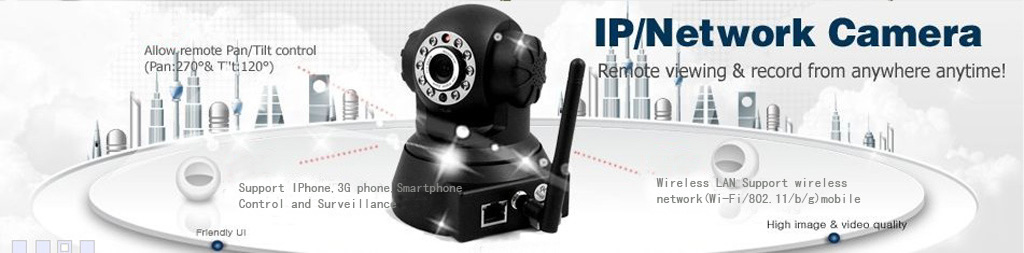
 Apexis Products And Technology Forum In order to let everybody know apexis products and services, and help everybody in the use of apexis network camera products issues. |
     |
Dass-462 !!link!!
The Dass-462 was initially designed for use in the French military, particularly in radar and communication systems. After its development, the chip became available for commercial use, where it found applications in various industries, including audio processing, medical imaging, and industrial automation. The Dass-462 has undergone periodic updates and revisions to address emerging technology trends and to improve performance.
✅ Differentiates overlapping symptoms – Unlike general distress measures, it separates anxious arousal from depressive hopelessness from stress/irritability. ✅ Sensitive to mild/moderate states – Works for non-clinical populations (students, workplaces) and clinical settings. ✅ Shorter alternatives exist – The DASS-21 (21 items) is quicker, but the DASS-462 gives richer subscale detail.
Developed by Lovibond & Lovibond, it’s a 42-item self-report questionnaire measuring three distinct negative emotional states : dass-462
Here’s a useful, informative post about the (Depression Anxiety Stress Scales – 42-item version), written for a psychology, coaching, or self-awareness audience.
The Dass-462 features a complex instruction set (CISC) architecture, allowing for high-level instructions to be executed directly by the processor, reducing processing time and increasing efficiency. Key features of the Dass-462 include: The Dass-462 was initially designed for use in
Have you used the DASS-21 or DASS-462 in your practice or personal growth? Share your experience below.
(Note: If "DASS-462" refers to the DASS-462 Java class file often found in data mining packages, this refers to the implementation of the algorithm, which is used for graph classification.) Developed by Lovibond & Lovibond, it’s a 42-item
Understanding the DASS-462: A Practical Guide to Measuring Depression, Anxiety, and Stress
Note: Do not diagnose yourself. These are clinical screening ranges.
In the context of academic and scientific literature search requests like this, usually refers to a specific item code used by the Deep Blue scientific document archive (similar to arXiv or bioRxiv), or it is a specific Java class/library identifier (e.g., in the Weka machine learning software).