Contact Us
- [email protected]
-
The Principal
New Indian Model School
P.B No: 3100
Dubai, U.A.E.
About Us
At NIMS Dubai, education goes beyond textbooks. We offer a dynamic learning environment that encourages curiosity, creativity, and critical thinking. Backed by experienced educators and modern facilities, we prepare students for real-world challenges while upholding strong moral values. Discover a school where every learner is empowered to lead and succeed.



Note: For flexible cables (extension leads and appliance cords), the colours differ slightly. The Active is , Neutral is Blue , and Earth is Green/Yellow.
In conclusion, selecting the right electrical cable size is critical to ensure safe and efficient transmission of electrical power in Australia. By understanding the relevant standards, common cable sizes, and factors to consider when selecting a cable, you can ensure that your electrical installation meets the required safety standards. Always consult with a licensed electrician if you're unsure about the correct cable size for your specific application. electrical cable sizes australia
Navigating electrical cable sizes in Australia is a critical task for ensuring both the safety and efficiency of any electrical installation. In Australia, cable sizing is strictly governed by the "Wiring Rules" and AS/NZS 3008 , which provides the specific tables for current-carrying capacities. Note: For flexible cables (extension leads and appliance
In Australia, as elsewhere, cable size is not about the physical thickness of the plastic sheath. It’s about the cross-sectional area of the inside, measured in square millimetres (mm²). The larger the number, the thicker the copper, and the more electrical current (amperage) it can safely carry without overheating. By understanding the relevant standards, common cable sizes,
Australia uses the "Standard" or "Mains" colour code for fixed wiring (cables inside walls). The colours changed in the 1960s; any wiring with different colours is very old and potentially unsafe.
This is the smallest standard power cable. It’s used exclusively for lighting. A 1.5mm² cable is typically protected by a 10-amp or 16-amp circuit breaker and can handle a standard room’s worth of LED downlights with ease.
For standard 240V domestic applications, you will almost exclusively encounter three core sizes:
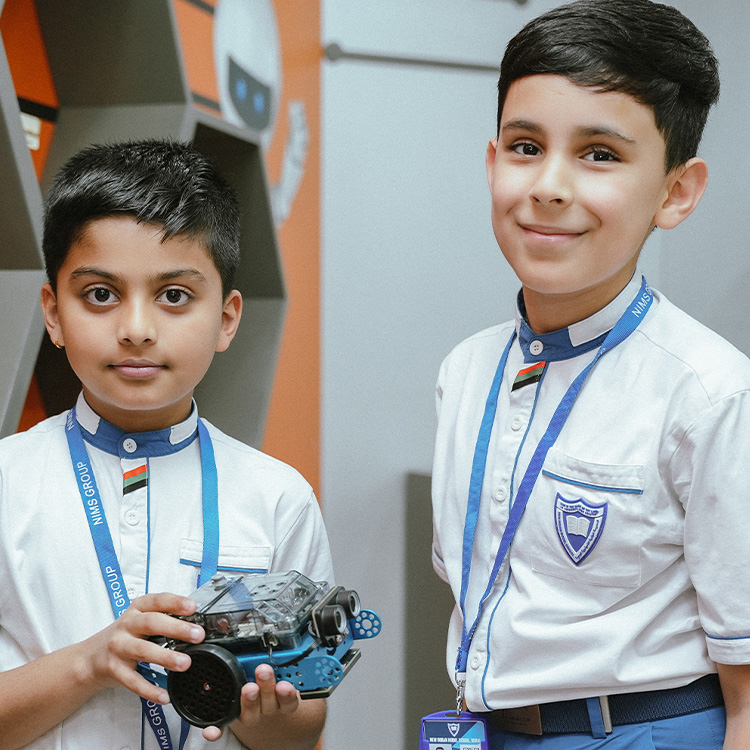
At New Indian Model School, Dubai, we provide a safe, inclusive, and enriching environment that supports students’ academic, emotional, social, and physical growth.

Our Physics, Chemistry, and Biology labs feature modern equipment, enabling hands-on learning, experimentation, and practical application of scientific concepts.

The NIMS Library fosters reading and learning with diverse resources, supporting all grades and offering a quiet space for research, reflection, and discovery.

Student well-being is vital, with on-campus medical care and the Happiness Center supporting emotional health and resilience.

We provide sports facilities and competitions that foster fitness, teamwork, discipline, and sportsmanship for student excellence.

Classes

Total Students

Library Books

Certified Teachers




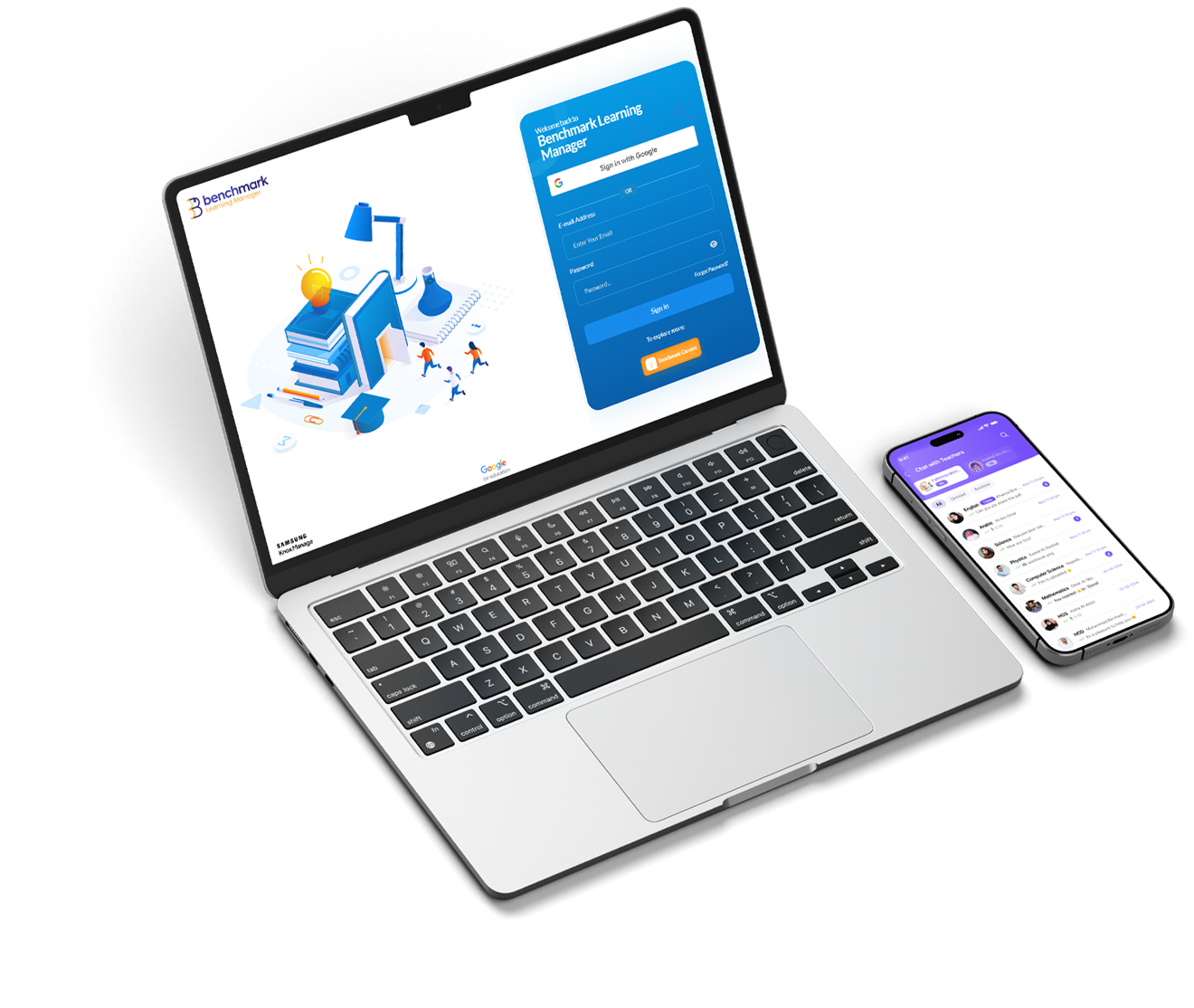
PARENT APP














Note: For flexible cables (extension leads and appliance cords), the colours differ slightly. The Active is , Neutral is Blue , and Earth is Green/Yellow.
In conclusion, selecting the right electrical cable size is critical to ensure safe and efficient transmission of electrical power in Australia. By understanding the relevant standards, common cable sizes, and factors to consider when selecting a cable, you can ensure that your electrical installation meets the required safety standards. Always consult with a licensed electrician if you're unsure about the correct cable size for your specific application.
Navigating electrical cable sizes in Australia is a critical task for ensuring both the safety and efficiency of any electrical installation. In Australia, cable sizing is strictly governed by the "Wiring Rules" and AS/NZS 3008 , which provides the specific tables for current-carrying capacities.
In Australia, as elsewhere, cable size is not about the physical thickness of the plastic sheath. It’s about the cross-sectional area of the inside, measured in square millimetres (mm²). The larger the number, the thicker the copper, and the more electrical current (amperage) it can safely carry without overheating.
Australia uses the "Standard" or "Mains" colour code for fixed wiring (cables inside walls). The colours changed in the 1960s; any wiring with different colours is very old and potentially unsafe.
This is the smallest standard power cable. It’s used exclusively for lighting. A 1.5mm² cable is typically protected by a 10-amp or 16-amp circuit breaker and can handle a standard room’s worth of LED downlights with ease.
For standard 240V domestic applications, you will almost exclusively encounter three core sizes:
NEWS & EVENTS

 February 19, 2026
Events
February 19, 2026
Events
The KG students of NIMS Dubai participated with great enthusiasm and proudly sec....
Read More February 18, 2026
Events
February 18, 2026
Events
Celebrating Team Spirit and Wellbeing! As part of NIMS Management’s annual....
Read More February 10, 2026
Events
February 10, 2026
Events
Little Steps, Big Milestones – KG & Montessori Graduation 2025–2026 The Grad....
Read More