If you would like to play around with a circuit simulation tool here is a freeware tool by LinearTechnology to start with.
You may download the program from here.
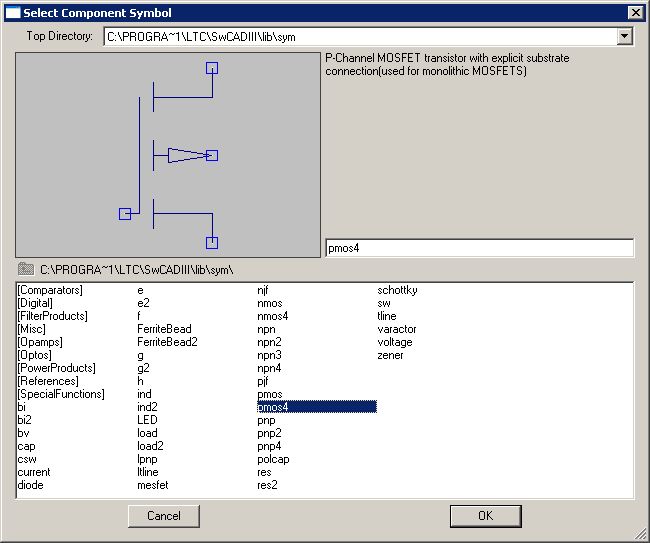
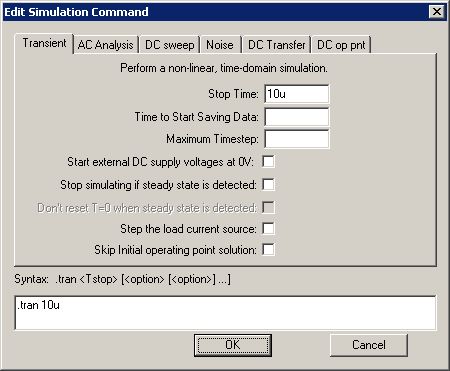
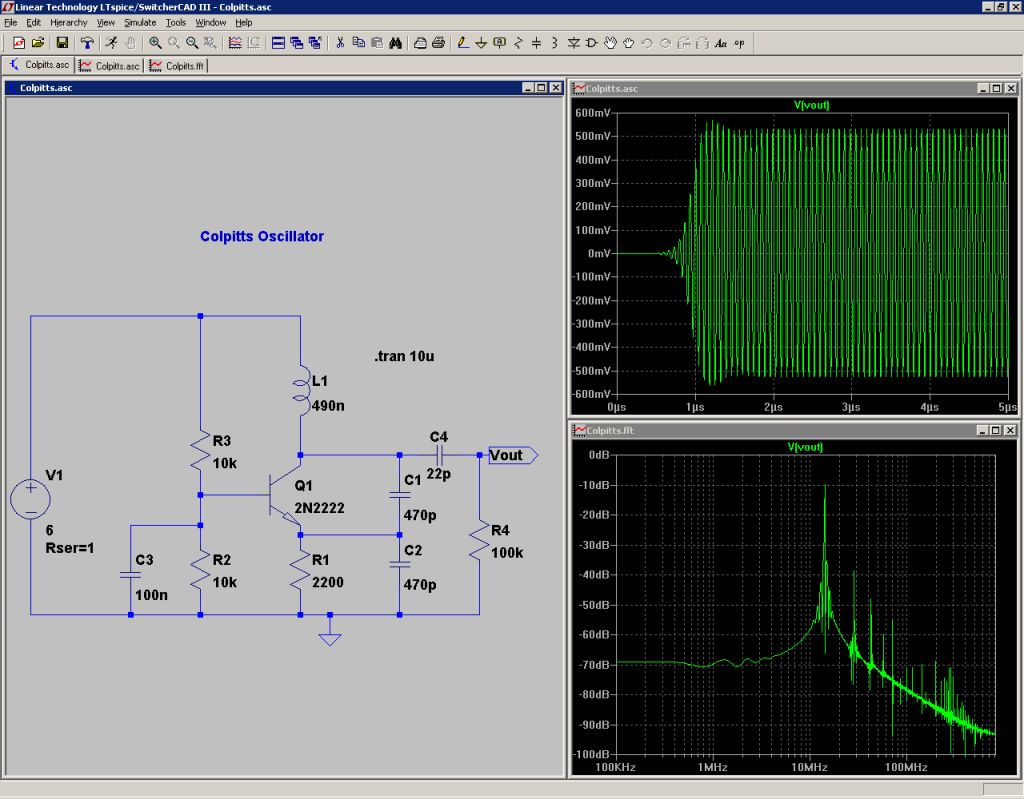
It is easy to work with. Just enter your schematic, select the simulation type and see what signals you get on the different nodes. The following screen shots show some of the menues and a simulation of a colpitts oscillator.
WSL virtual disks expand over time but don't always shrink automatically.
The Windows Subsystem for Linux (WSL) allows developers to run a GNU/Linux environment directly on Windows, unmodified, without the overhead of a traditional virtual machine or dual-boot setup. However, circumstances such as disk space reclamation, system migration, or the troubleshooting of irreparable environment states may necessitate the complete removal of the subsystem. A partial uninstallation can leave behind large virtual hard disk (VHDX) files and registry keys, consuming valuable storage on the host drive. This guide ensures a clean and total removal of the architecture.
In some cases, unregistering a distribution fails to delete the associated VHDX file. how to uninstall wsl
If you created a custom .wslconfig file, you can find and delete it at C:\Users\ \.wslconfig . Why are you uninstalling?
This prevents the underlying WSL service from running on your machine. Press Win + R , type optionalfeatures , and hit . WSL virtual disks expand over time but don't
Run the following command: wsl --unregister (Example: wsl --unregister Ubuntu ) Method 2: Fully Remove the WSL Framework
If your goal is to free up space or reset a specific environment without breaking WSL itself, use this method. Via Settings (Recommended) Open . Go to Apps > Installed Apps (or Apps & Features). Search for your distribution (e.g., Ubuntu, Kali, Debian). A partial uninstallation can leave behind large virtual
Navigate to %LOCALAPPDATA%\Packages and look for folders starting with "CanonicalGroupLimited" (for Ubuntu) or other distro names. Delete them if they remain.