Remote Desktop Services Sxs Network Stack [extra Quality] Page

In a shared hosting environment, data leakage between tenants is a significant risk. The SxS stack enforces strict logical isolation. If User A initiates a network broadcast or scan, it remains within their isolated stack. They cannot easily sniff traffic or interfere with the network sockets established by User B. This makes the SxS stack essential for hosting sensitive workloads on shared hardware.

This architecture is the backbone of modern RDS features, particularly when utilizing advanced virtualization or containerization technologies like Azure Virtual Desktop (AVD) with MSIX app attach or specific containerized environments.

The utility of the SxS stack lies in its ability to virtualize the networking layer. When a user logs into a session that leverages an SxS stack, the system creates a dedicated networking namespace for that session or container.

The communication flow between the RDS client and server involves the following steps: remote desktop services sxs network stack

While the SxS stack operates largely in the background—invisible to the end-user—it is the invisible steel beam that supports the structure of modern session virtualization. Understanding this component is vital for any IT professional tasked with architecting secure, scalable remote access solutions, ensuring that the "remote" in "remote desktop" remains seamless, secure, and isolated.

The SxS stack operates by creating logical, isolated instances of the network stack for each user session. From the perspective of the server’s kernel, User A’s TCP connections, timers, and sequence numbers exist in a separate context from User B’s. This isolation is achieved through modifications to the Transport Layer Interface (TLI) and the Windows Sockets (Winsock) catalog. When a user logs into an RDS session, the system dynamically maps their socket operations to a private, per-session network stack instance. This architecture ensures that a SYN flood or excessive retransmission from one session does not starve the resources of another, preserving the stability of the entire remote desktop environment.

: New versions are typically installed automatically by the AVD agent. In a shared hosting environment, data leakage between

When the SxS stack fails, session hosts often appear as or "Shutdown" in the Azure portal. Resolution Status: Upgrade Failed

By decoupling the session network stack from the host kernel stack, Windows can manage resources more granularly. Network limits (such as bandwidth throttling or concurrent TCP connections) can be enforced per-session. If a specific user session attempts to consume all available bandwidth, the SxS architecture allows the system to throttle that specific stack without impacting the networking capabilities of the underlying host or other users.

: Handles dynamic window resizing and user input synchronization. Managing and Updating the Stack They cannot easily sniff traffic or interfere with

In a standard client operating system (like Windows 10), this is sufficient because there is typically only one active user. However, in an RDS Session Host (formerly Terminal Server) scenario, hundreds of users may be active simultaneously. Under the legacy model, all these users share the same networking state. This creates three primary issues:

, bypassing the need for inbound open ports on the virtual machine (VM). Core Purpose and Architecture Unlike traditional RDP which relies on a direct listening port (TCP 3389), the SxS Network Stack enables "Reverse Connect". Reverse Connectivity: The session host initiates an outbound TLS connection to an AVD Gateway. The SxS stack manages this persistent communication channel, allowing users to connect to the VM without exposing it directly to the internet. Parallel Coexistence: The "Side-by-Side" name refers to its ability to run alongside the standard Windows RDP stack. This allows Microsoft to update the AVD-specific stack independently of the core Windows operating system. Automatic Updates (Flighting): Microsoft regularly updates the stack through a process called "flighting," where new versions are rolled out progressively to ensure stability before reaching all environments. Key Components The stack is bundled with the Azure Virtual Desktop Agent and includes specific executables for modern desktop functionality: rdpclipcdv.exe / rdpinputcdv.exe: New binaries introduced to handle clipboard synchronization and window resizing. rdp-sxs Listener: A specific listener that can be verified via the
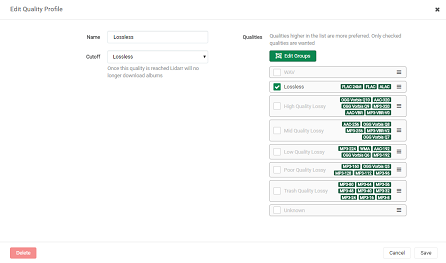
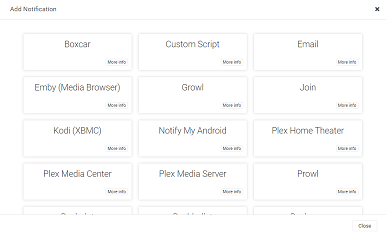
Notifications and fully customizable quality profiles.

remote desktop services sxs network stack remote desktop services sxs network stack
remote desktop services sxs network stack remote desktop services sxs network stack remote desktop services sxs network stack

Multiple Movie views.

remote desktop services sxs network stack remote desktop services sxs network stack

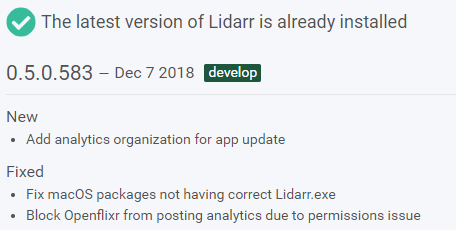
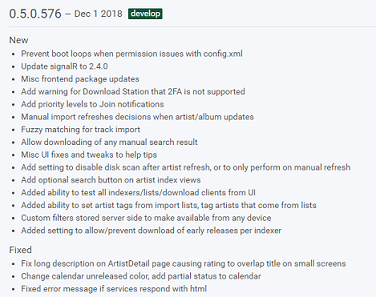
Frequent updates. See what's new without leaving the comfort of the app.

Summary

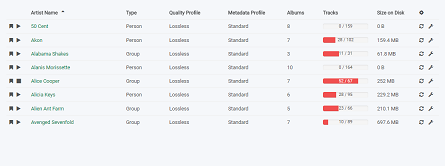
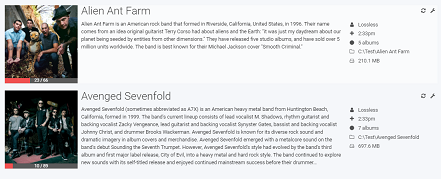
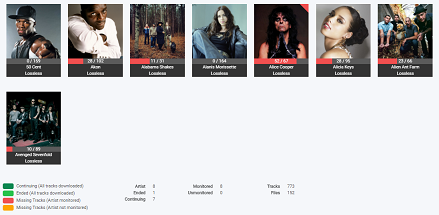
Lidarr is a music collection manager for Usenet and BitTorrent users. It can monitor multiple RSS feeds for new albums from your favorite artists and will interface with clients and indexers to grab, sort, and rename them. It can also be configured to automatically upgrade the quality of existing files in the library when a better quality format becomes available.

Features

remote desktop services sxs network stack

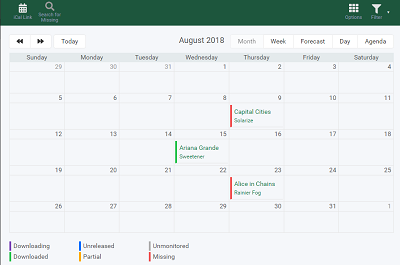
Calendar

See all your upcoming albums in one convenient location.

remote desktop services sxs network stack

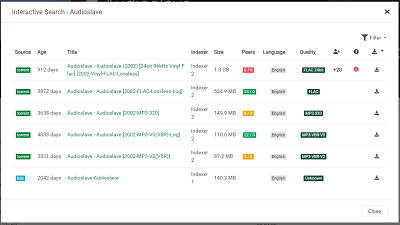
Manual Search

Find all the releases, choose the one you want, and send it right to your download client.

remote desktop services sxs network stack

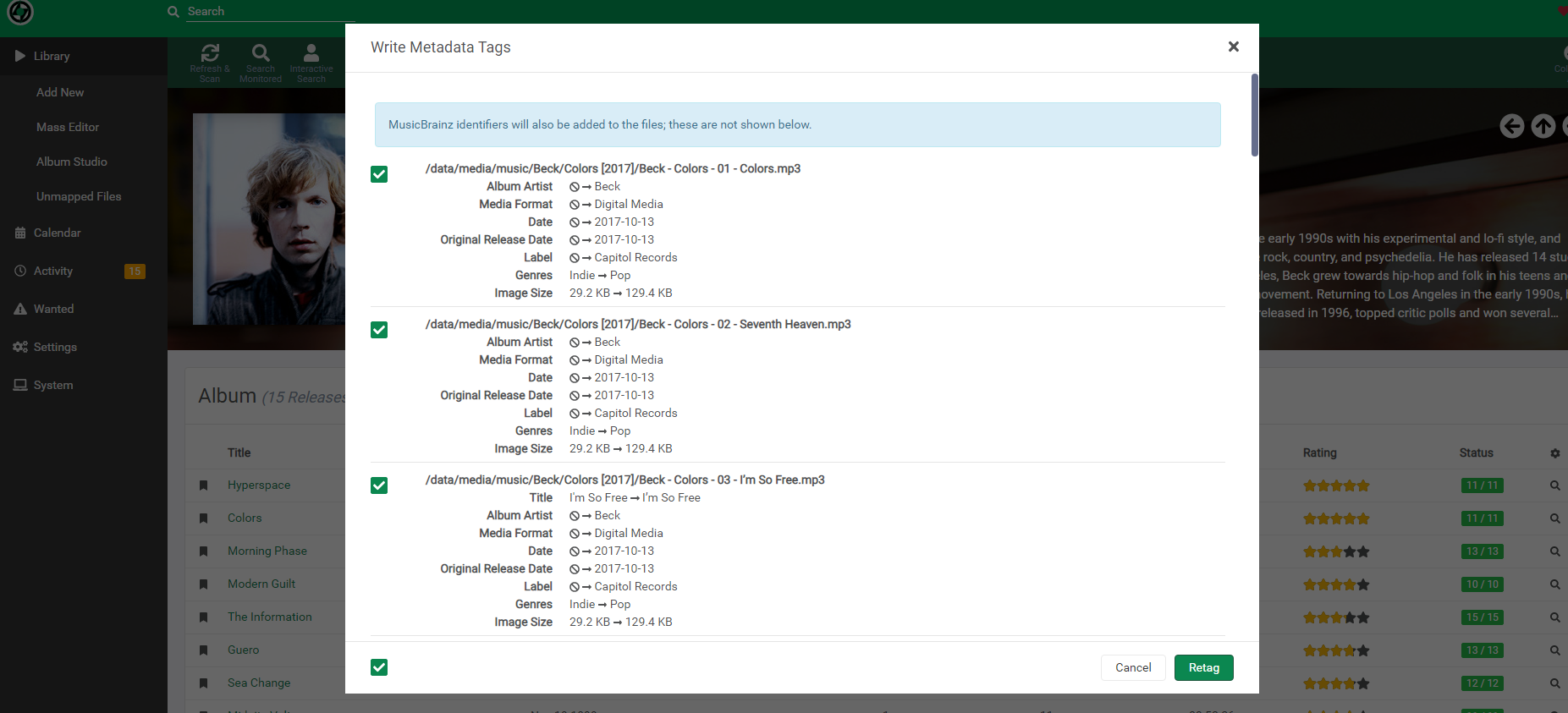
Metadata Writing

Metadata tags a mess? No problem. Lidarr will whip your current library into shape and ensure any new music is tagged correctly and uniformly.

remote desktop services sxs network stack

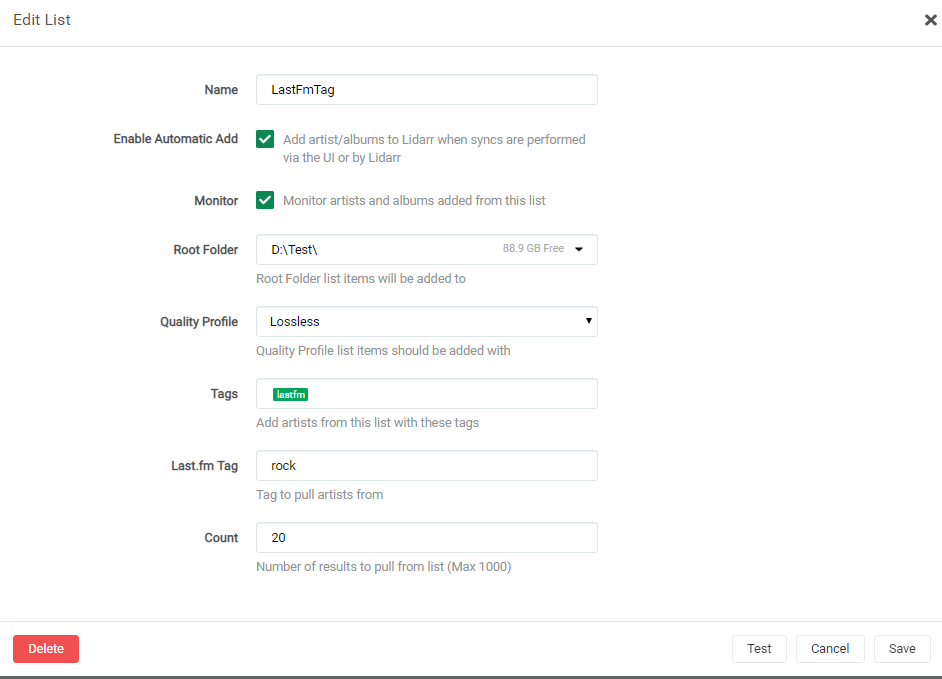
Import Lists

Follow your favorite artists or top 20 albums using import lists. Lists can be used from supported services like Last.FM and Headphones.

In a shared hosting environment, data leakage between tenants is a significant risk. The SxS stack enforces strict logical isolation. If User A initiates a network broadcast or scan, it remains within their isolated stack. They cannot easily sniff traffic or interfere with the network sockets established by User B. This makes the SxS stack essential for hosting sensitive workloads on shared hardware.

This architecture is the backbone of modern RDS features, particularly when utilizing advanced virtualization or containerization technologies like Azure Virtual Desktop (AVD) with MSIX app attach or specific containerized environments.

The utility of the SxS stack lies in its ability to virtualize the networking layer. When a user logs into a session that leverages an SxS stack, the system creates a dedicated networking namespace for that session or container.

The communication flow between the RDS client and server involves the following steps:

While the SxS stack operates largely in the background—invisible to the end-user—it is the invisible steel beam that supports the structure of modern session virtualization. Understanding this component is vital for any IT professional tasked with architecting secure, scalable remote access solutions, ensuring that the "remote" in "remote desktop" remains seamless, secure, and isolated.

The SxS stack operates by creating logical, isolated instances of the network stack for each user session. From the perspective of the server’s kernel, User A’s TCP connections, timers, and sequence numbers exist in a separate context from User B’s. This isolation is achieved through modifications to the Transport Layer Interface (TLI) and the Windows Sockets (Winsock) catalog. When a user logs into an RDS session, the system dynamically maps their socket operations to a private, per-session network stack instance. This architecture ensures that a SYN flood or excessive retransmission from one session does not starve the resources of another, preserving the stability of the entire remote desktop environment.

: New versions are typically installed automatically by the AVD agent.

When the SxS stack fails, session hosts often appear as or "Shutdown" in the Azure portal. Resolution Status: Upgrade Failed

By decoupling the session network stack from the host kernel stack, Windows can manage resources more granularly. Network limits (such as bandwidth throttling or concurrent TCP connections) can be enforced per-session. If a specific user session attempts to consume all available bandwidth, the SxS architecture allows the system to throttle that specific stack without impacting the networking capabilities of the underlying host or other users.

: Handles dynamic window resizing and user input synchronization. Managing and Updating the Stack

In a standard client operating system (like Windows 10), this is sufficient because there is typically only one active user. However, in an RDS Session Host (formerly Terminal Server) scenario, hundreds of users may be active simultaneously. Under the legacy model, all these users share the same networking state. This creates three primary issues:

, bypassing the need for inbound open ports on the virtual machine (VM). Core Purpose and Architecture Unlike traditional RDP which relies on a direct listening port (TCP 3389), the SxS Network Stack enables "Reverse Connect". Reverse Connectivity: The session host initiates an outbound TLS connection to an AVD Gateway. The SxS stack manages this persistent communication channel, allowing users to connect to the VM without exposing it directly to the internet. Parallel Coexistence: The "Side-by-Side" name refers to its ability to run alongside the standard Windows RDP stack. This allows Microsoft to update the AVD-specific stack independently of the core Windows operating system. Automatic Updates (Flighting): Microsoft regularly updates the stack through a process called "flighting," where new versions are rolled out progressively to ensure stability before reaching all environments. Key Components The stack is bundled with the Azure Virtual Desktop Agent and includes specific executables for modern desktop functionality: rdpclipcdv.exe / rdpinputcdv.exe: New binaries introduced to handle clipboard synchronization and window resizing. rdp-sxs Listener: A specific listener that can be verified via the
Support