What Is Hurricane Season
During the season, you will hear the terms "tropical depression," "tropical storm," and "hurricane" used frequently. These are all classifications of the same phenomenon based on wind speed.
Once a storm becomes a hurricane, it is further categorized by the (Categories 1 through 5). However, meteorologists warn that focusing solely on the category can be misleading. A Category 1 storm can cause massive flooding due to rain, while a Category 5 might be compact and fast-moving.
is the specific period each year when tropical or subtropical cyclones are most likely to form in certain oceanic basins. These periods are determined by climatological patterns—such as ocean temperature and wind conditions—that create the "perfect recipe" for powerful storms to develop. what is hurricane season
Includes the Atlantic Ocean, Caribbean Sea, and Gulf of Mexico. The season runs from June 1 to November 30 .
Hurricane season is a reminder to stay prepared—not panicked. Have a plan, know your evacuation zone, and keep an eye on forecasts if you live in a coastal area. During the season, you will hear the terms
For a tropical cyclone to form and strengthen, several ingredients are required:
Different regions, or "basins," have distinct start and end dates based on their local climate patterns: Start Date Peak Activity November 30 Mid-August to October (Peak: Sept 10) Eastern Pacific November 30 July to September Central Pacific November 30 Late summer/early fall Sources: NOAA , National Hurricane Center . Why It Occurs However, meteorologists warn that focusing solely on the
During the summer and early fall, the Atlantic Ocean and the Gulf of Mexico act as giant batteries, storing solar energy. When atmospheric conditions align, that energy is released in the form of tropical cyclones.
When people think of hurricanes, they often picture dramatic footage of bent palm trees. However, water is the deadliest factor in a hurricane.
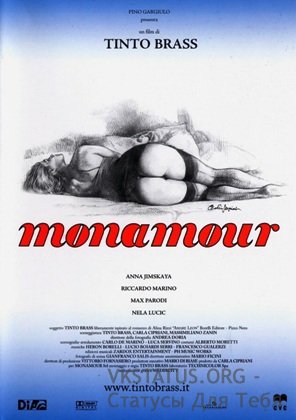
![Любовь моя / Monamour (2005) DVDRip [2100mb]](https://24-info.lol/uploads/posts/2013-10/eroticheskie-filmy_lyubov-moya-monamour-2005-dvdrip-2100mb_1.jpeg)



![Малена / Malena (2000) DVDRip [1.46GB]](https://24-info.lol/uploads/posts/2013-10/eroticheskie-filmy_malena-malena-2000-dvdrip-146gb_1.jpeg)





![Ключ / La Chiave (1983) DVDRip [1400mb]](https://24-info.lol/uploads/posts/2013-10/eroticheskie-filmy_klyuch-la-chiave-1983-dvdrip-1400mb_1.jpeg)