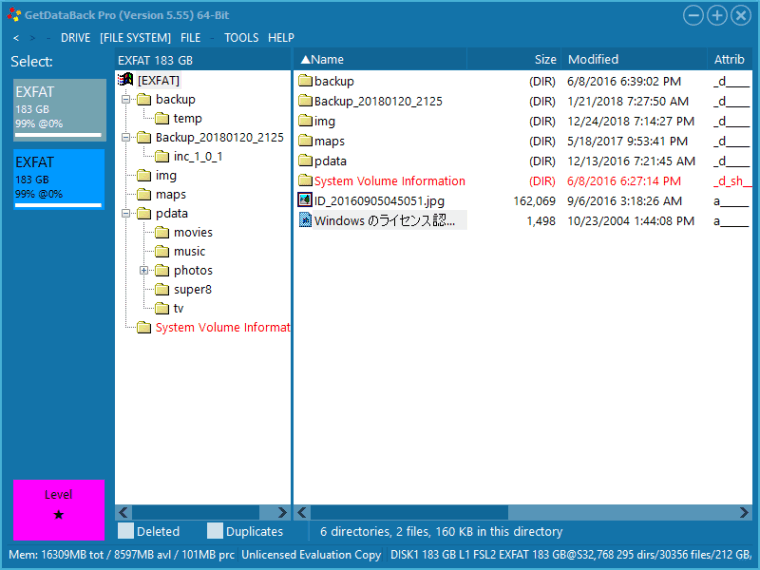
GetDataBack Pro
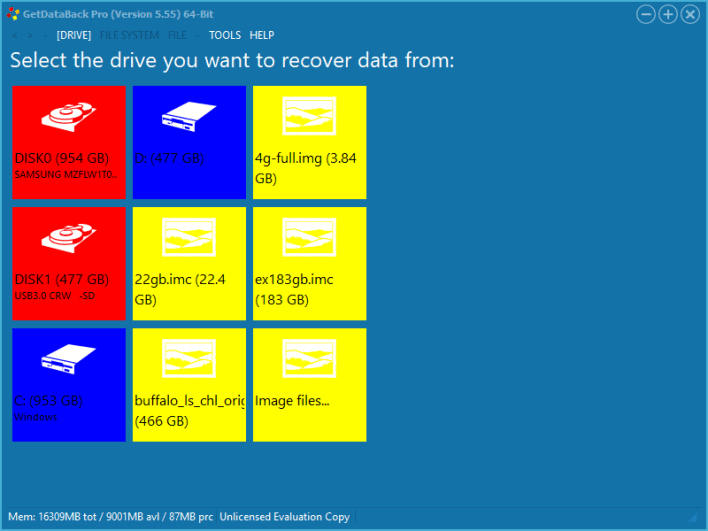
Select drive or image
Our flagship product, GetDataBack Pro, is our most powerful data recovery software. It is lightning-fast and supports NTFS, FAT, exFAT, EXT, HFS+, and APFS.
Playing as Germany or Japan in 2026 is an exercise in managed hospice . The simulation correctly models that shrinking workforces cannot support legacy pension systems. However, the twist the AI introduces is automated tax rebellion : by Q3 2026, the game’s "Digital Nomad" pop-up faction automatically secedes 15% of taxable income to crypto-enclaves. The player’s only counter is draconian capital controls, which immediately drop the "Innovation Index" to zero. The essay’s takeaway: GPS5 shows that the 2026 state is no longer a wealth generator, but a wealth preservation fund for the elderly, bleeding out via demographic time.
As we look towards the future, tools like Geopolitical Simulator 5 2026 offer a unique lens through which to view the complex and ever-changing world of international relations. By combining strategy, simulation, and education, GPS5 2026 not only entertains but also enlightens, making it a standout title in the world of geopolitical gaming. geopolitical simulator 5 2026
The map now features dynamic environmental layers. Rising sea levels threaten coastal economies (reducing GDP and triggering mass migration events), while the melting Arctic opens new shipping lanes and resource extraction zones. Players can fight for control of the Arctic Circle, engaging in diplomatic standoffs over untapped oil and rare earth minerals. Playing as Germany or Japan in 2026 is
Critically, GPS5 2026 debunks the myth of renewable abundance. The simulation forces a brutal trade-off: . Countries that banned nuclear power after the 2010s (Germany, Italy) suffer the "Dark Calm" event—a two-week period in December where wind and solar output drops to 4% of capacity. In the 2026 meta, only France and China maintain "State Resilience" because their grids are hardened. The deep lesson here is geographic determinism : the game’s algorithm proves that without dispatchable energy, the 2026 state cannot run its AI defense grids or desalination plants. Consequently, "water wars" become the primary conflict driver, replacing oil. The player’s only counter is draconian capital controls,
Playing as Germany or Japan in 2026 is an exercise in managed hospice . The simulation correctly models that shrinking workforces cannot support legacy pension systems. However, the twist the AI introduces is automated tax rebellion : by Q3 2026, the game’s "Digital Nomad" pop-up faction automatically secedes 15% of taxable income to crypto-enclaves. The player’s only counter is draconian capital controls, which immediately drop the "Innovation Index" to zero. The essay’s takeaway: GPS5 shows that the 2026 state is no longer a wealth generator, but a wealth preservation fund for the elderly, bleeding out via demographic time.
As we look towards the future, tools like Geopolitical Simulator 5 2026 offer a unique lens through which to view the complex and ever-changing world of international relations. By combining strategy, simulation, and education, GPS5 2026 not only entertains but also enlightens, making it a standout title in the world of geopolitical gaming.
The map now features dynamic environmental layers. Rising sea levels threaten coastal economies (reducing GDP and triggering mass migration events), while the melting Arctic opens new shipping lanes and resource extraction zones. Players can fight for control of the Arctic Circle, engaging in diplomatic standoffs over untapped oil and rare earth minerals.
Critically, GPS5 2026 debunks the myth of renewable abundance. The simulation forces a brutal trade-off: . Countries that banned nuclear power after the 2010s (Germany, Italy) suffer the "Dark Calm" event—a two-week period in December where wind and solar output drops to 4% of capacity. In the 2026 meta, only France and China maintain "State Resilience" because their grids are hardened. The deep lesson here is geographic determinism : the game’s algorithm proves that without dispatchable energy, the 2026 state cannot run its AI defense grids or desalination plants. Consequently, "water wars" become the primary conflict driver, replacing oil.