As with any online community, Redlib is not immune to controversy and criticism. Some of the concerns surrounding the platform include:
In the vast and ever-evolving landscape of social news platforms, a newcomer has been making waves and garnering attention from users worldwide. Redlib, a platform that describes itself as a "front page of the internet," has been steadily gaining popularity since its inception. With its sleek design, user-friendly interface, and commitment to free speech, Redlib has become a go-to destination for those seeking an alternative to traditional social news sites. redlib popular
Redlib's popularity can be attributed to its commitment to free speech, community engagement, and a user-friendly interface. As a relatively new social news platform, Redlib has quickly gained a loyal following and established itself as a viable alternative to traditional platforms. While challenges and controversies arise, Redlib's active community and dedication to its core values position it for continued growth and success. As the platform continues to evolve, it will be interesting to see how Redlib navigates the complex landscape of social news and adapts to the changing needs of its users. As with any online community, Redlib is not
When you toggle to "Popular" on a Redlib instance, the experience is jarringly different. It is a raw, unfiltered firehose of human activity. You see what is actually trending across the entire site, not what a marketing team wants you to see. The interface strips away the "User Profile" cards, the "Trending Today" banners, and the "Open in App" nags. and JavaScript bloat
While users can self-host their own Redlib instance using Docker or binary builds, many prefer using community-hosted public instances. Some of the most reliable and popular instances include: redlib-instances/instances.md at main - GitHub
As with any social news platform, Redlib faces challenges and controversies. Some of the concerns include:
Redlib removes all advertisements, trackers, and JavaScript bloat, providing a "clean" browsing experience.
New Version 26.1: Go Speed Racer Go
New Version 25.12: Higher & Higher
New Version 25.10: Please Mr. Please
New Version 25.07: Hot Hot Hot
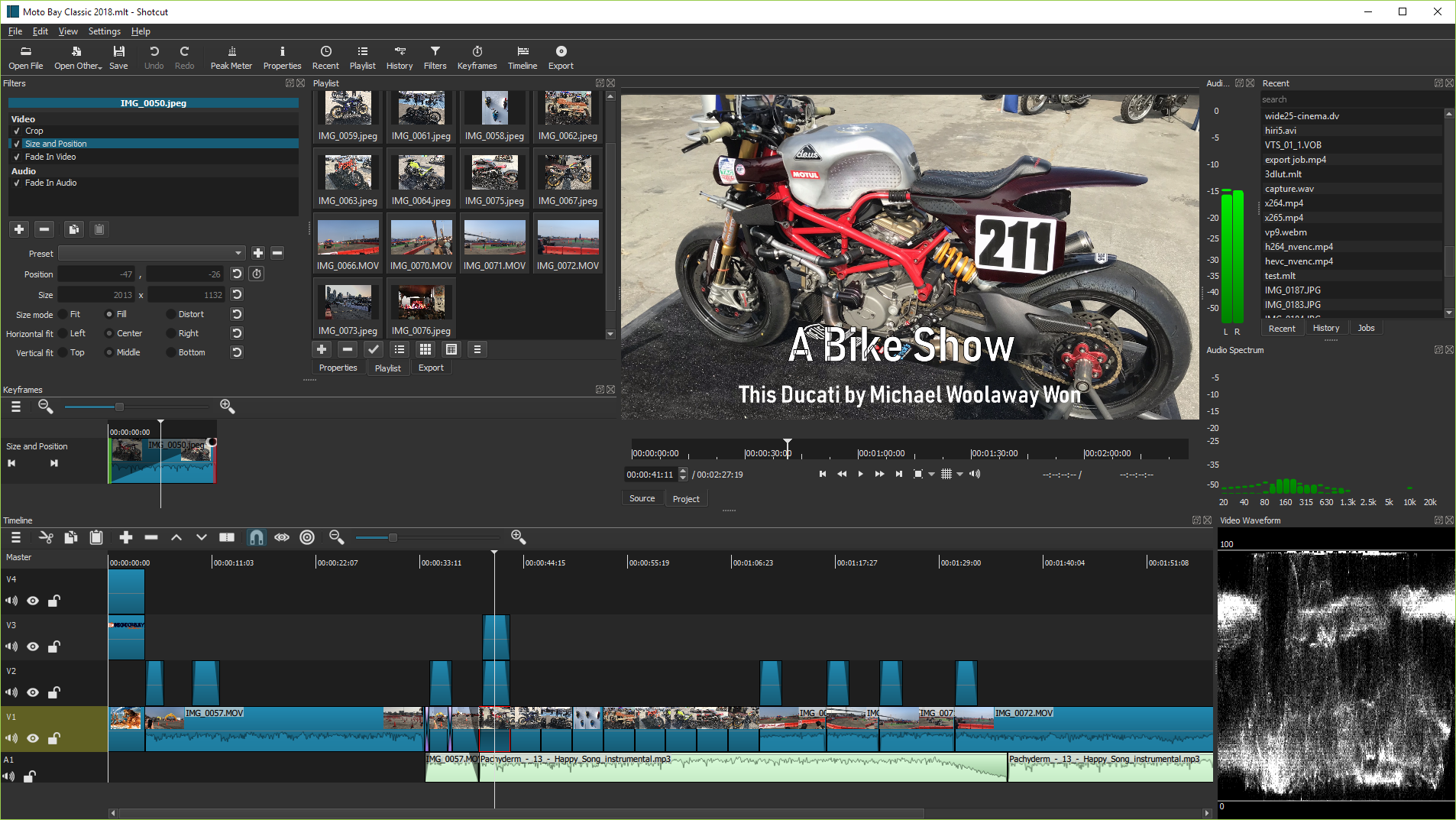
Shotcut was originally conceived in November, 2004 by Charlie Yates, an MLT co-founder and the original lead developer (see the original website). The current version of Shotcut is a complete rewrite by Dan Dennedy, another MLT co-founder and its current lead. Dan wanted to create a new editor based on MLT and he chose to reuse the Shotcut name since he liked it so much. He wanted to make something to exercise the new cross-platform capabilities of MLT especially in conjunction with the WebVfx and Movit plugins.
Lead Developer of Shotcut and MLT