CheckTime transforme votre gestion du temps de travail avec une solution automatisée, sécurisée et intuitive. Optimisez votre productivité dès aujourd'hui.
Découvrez comment CheckTime révolutionne votre gestion du temps de travail
Reconnaissance faciale et empreintes digitales pour un pointage sécurisé et infaillible.
Tableaux de bord personnalisables avec analyses prédictives et rapports automatisés.
Intelligence artificielle pour l'optimisation des plannings et détection des anomalies.
Notre solution combine innovation technologique et simplicité d'utilisation pour répondre aux besoins des entreprises modernes.
Mise en place en moins de 24h, aucune infrastructure complexe nécessaire.
Données chiffrées, conformité RGPD, accès sécurisés par double authentification.
Équipe dédiée disponible 7j/7 pour accompagner votre transition digitale.
Rejoignez les entreprises leaders qui utilisent CheckTime
The PDF you’re looking for is usually referred to simply as (or Beograd – Urban Evolution ). Although there are several versions (some published as a standalone booklet, others as part of a larger anthology), the core content tends to revolve around the following themes:
| Chapter / Section | Core Focus | |-------------------|------------| | | Traces Belgrade’s origins from the Roman Singidunum through Byzantine, Ottoman, and Austro‑Hungarian periods, highlighting how each layer left a physical imprint on the city’s layout. | | 2. The 19th‑Century Modernization | Examines the post‑1848 reforms, the influence of European (especially Viennese) architectural styles, and the rise of the Savski Venac and Stari Grad districts. | | 3. Inter‑war Urban Planning | Discusses the Plan of Belgrade 1930 and the Zemun–Kumodraž expansion, illustrating how the city attempted to balance heritage with modernist ideals. | | 4. Socialist Era Transformations (1945‑1990) | Analyzes the massive housing blocks (the “New Belgrade” (Novi Beograd) project), the creation of large public spaces, and the ideological underpinnings of Yugoslav urbanism. | | 5. Post‑Yugoslav Challenges (1990‑present) | Covers the effects of the 1990s sanctions, the privatization of public land, informal settlements, and the contemporary push for sustainable redevelopment. | | 6. Contemporary Architecture & Urban Policy | Reviews recent landmark projects (e.g., the Belgrade Waterfront development, the Kaleidoskop cultural complex) and debates over heritage preservation versus commercial interests. | | 7. Visual Appendix | Richly illustrated with historic postcards, satellite maps, and a timeline of key urban milestones. |
Happy reading, and may your exploration of Belgrade’s urban fabric be as enriching as the city itself!
If you are looking for the actual PDF file, try the following reliable sources:
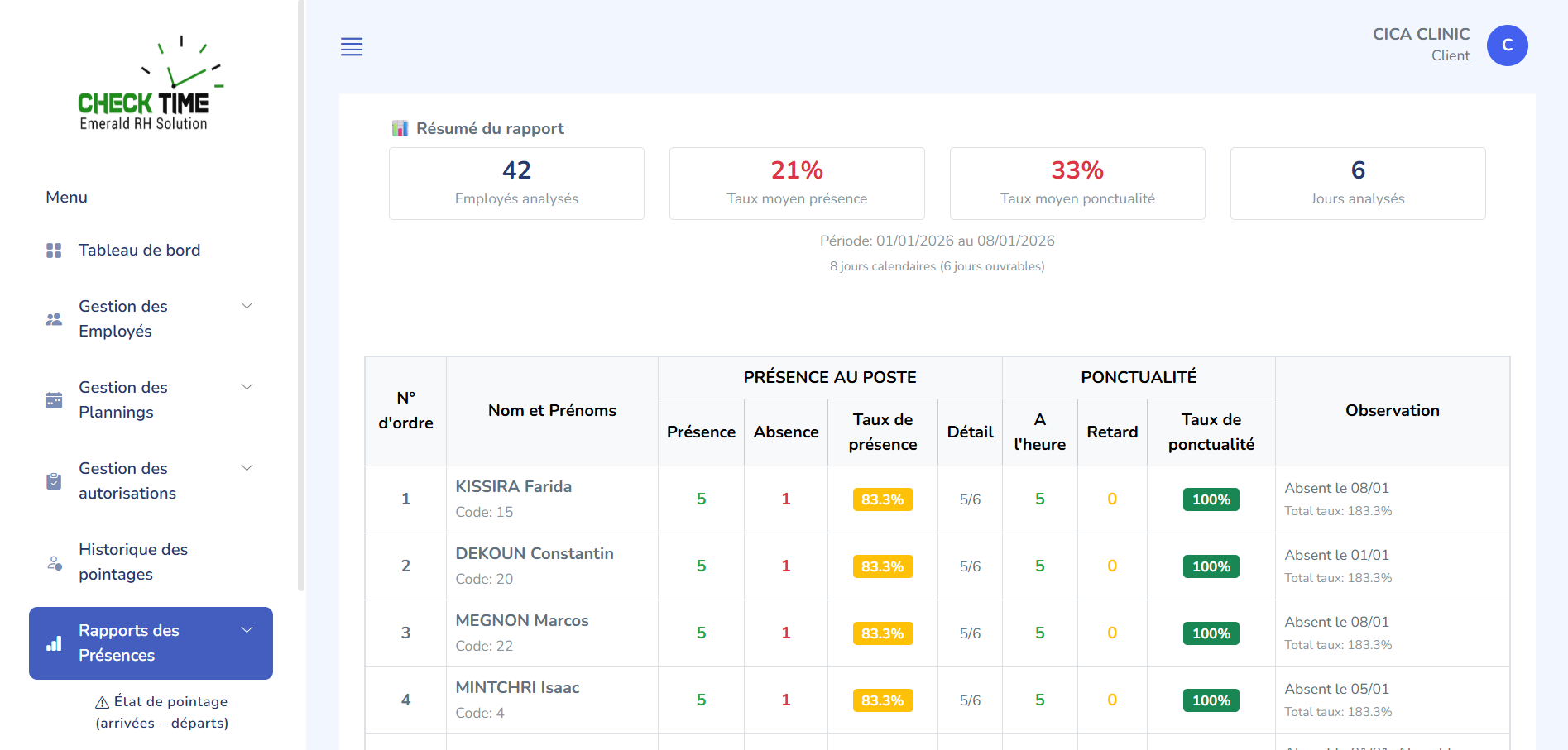
Profitez de toute la puissance de CheckTime directement depuis votre ordinateur Windows
Version 1.0
Dernière mise à jour : Nov. 2025
Découvrez ce que disent nos clients satisfaits
"CheckTime a réduit notre temps de gestion des présences de 70%. Une solution exceptionnelle !"
Directrice RH, TechVision
"L'intégration avec notre système de paie a été parfaite. Gain de temps considérable !"
CEO, InnovGroup
"La reconnaissance faciale fonctionne parfaitement, même avec le port du masque."
Directeur d'Usine, ProdCorp
The PDF you’re looking for is usually referred to simply as (or Beograd – Urban Evolution ). Although there are several versions (some published as a standalone booklet, others as part of a larger anthology), the core content tends to revolve around the following themes:
| Chapter / Section | Core Focus | |-------------------|------------| | | Traces Belgrade’s origins from the Roman Singidunum through Byzantine, Ottoman, and Austro‑Hungarian periods, highlighting how each layer left a physical imprint on the city’s layout. | | 2. The 19th‑Century Modernization | Examines the post‑1848 reforms, the influence of European (especially Viennese) architectural styles, and the rise of the Savski Venac and Stari Grad districts. | | 3. Inter‑war Urban Planning | Discusses the Plan of Belgrade 1930 and the Zemun–Kumodraž expansion, illustrating how the city attempted to balance heritage with modernist ideals. | | 4. Socialist Era Transformations (1945‑1990) | Analyzes the massive housing blocks (the “New Belgrade” (Novi Beograd) project), the creation of large public spaces, and the ideological underpinnings of Yugoslav urbanism. | | 5. Post‑Yugoslav Challenges (1990‑present) | Covers the effects of the 1990s sanctions, the privatization of public land, informal settlements, and the contemporary push for sustainable redevelopment. | | 6. Contemporary Architecture & Urban Policy | Reviews recent landmark projects (e.g., the Belgrade Waterfront development, the Kaleidoskop cultural complex) and debates over heritage preservation versus commercial interests. | | 7. Visual Appendix | Richly illustrated with historic postcards, satellite maps, and a timeline of key urban milestones. | sinisa kovacevic beograd pdf
Happy reading, and may your exploration of Belgrade’s urban fabric be as enriching as the city itself! The PDF you’re looking for is usually referred
If you are looking for the actual PDF file, try the following reliable sources: try the following reliable sources:
