…don't search – find!
…don't search – find!
…don't search – find!

Ever noticed how open-source document management systems (DMS) are popping up everywhere—from startups to big corporations?
It’s no surprise, really. Here’s the magic: they’re free, so you can test the waters without breaking the bank, and they bring all the perks of a paperless office right to your fingertips.
Picking the right DMS can feel like a puzzle, but don't stress—focus on the must-haves. For most companies, that means:
Ready to give it a whirl? Download our free, fully functional document organizer tool and see the difference for yourself—no strings attached!
Contents
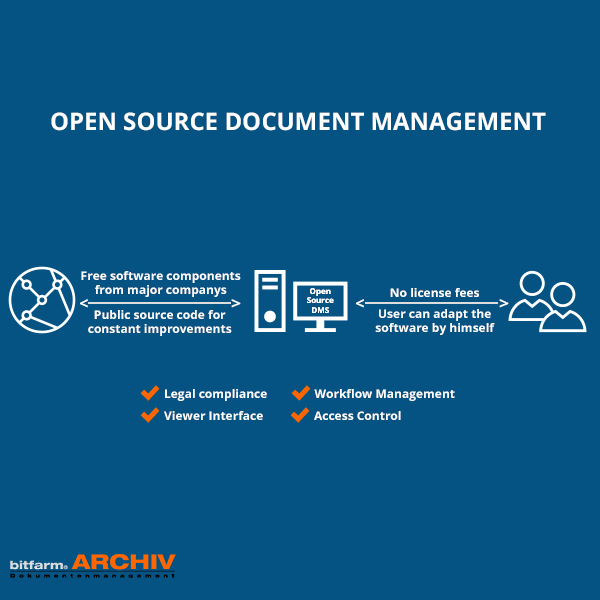
Let's be blunt: Traditional document management is a time-sink and a headache. Searching for files is inefficient, physical storage is costly, and the risk of losing important information is always present. You might be thinking, “Okay, but why open-source? What’s the catch?” Here’s the good news: there isn’t one. Using an open-source DMS is like getting a five-star meal without the bill. It saves you time, cuts storage costs, and packs powerful features—all for free. Here’s why it’s worth a closer look:
A DMS solves these problems. But why choose an open-source DMS? Here's the breakdown:
No Price Tag, Big Value: Forget hefty license fees or per-document charges. Open-source DMS are free to download and use, whether you’re a solo user or a growing company. Need support? It’s usually affordable, thanks to clever developers reusing existing tools.
Total Flexibility: Want your DMS to sync with your ERP or accounting software? With open-source code, you can tweak it yourself—no expensive consultants required. It’s your system, your rules.
Low Stakes, High Rewards: New to digital document management? Open-source lets you dip your toes in without drowning in costs. If it doesn’t work out, you’ve lost nothing but a little time.
Simply put, an open-source DMS gives you control, saves you money, and works just as hard as those pricey proprietary systems. Small businesses love it, big teams swear by it, and even private users can organize their home files for free. So, why not give it a shot?
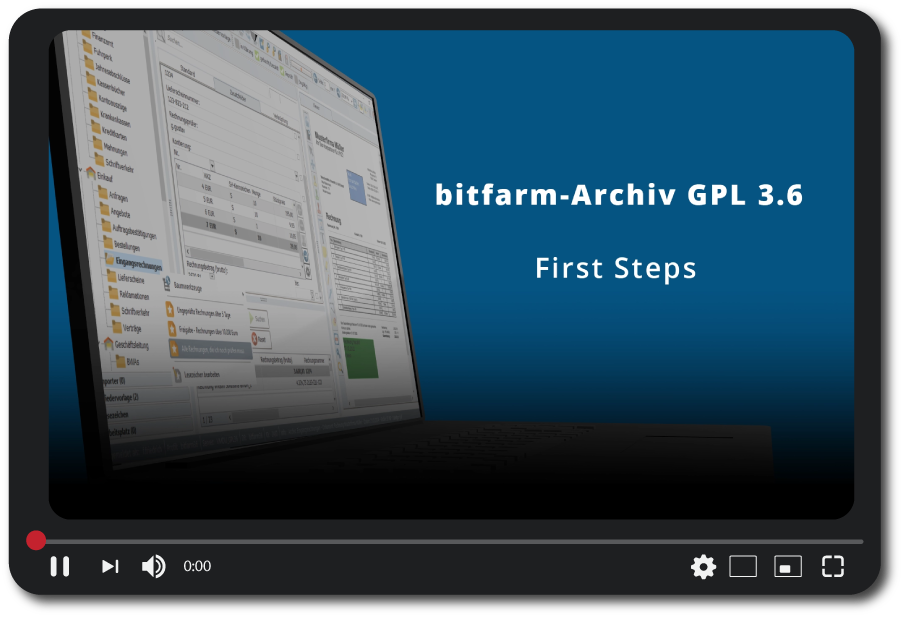
Are you interested in the basic functions of a DMS? Take a look at our video, where we demonstrate simple actions within a system.
The world of open-source DMS is buzzing with choices. Here’s a quick peek at some popular players:
Each has its own advantages, from slick interfaces to specialized features. But since every company (or home office) is different, we won’t bore you with a one-size-fits-all comparison. The trick is picking the one that matches your needs—which brings us to the next big question.
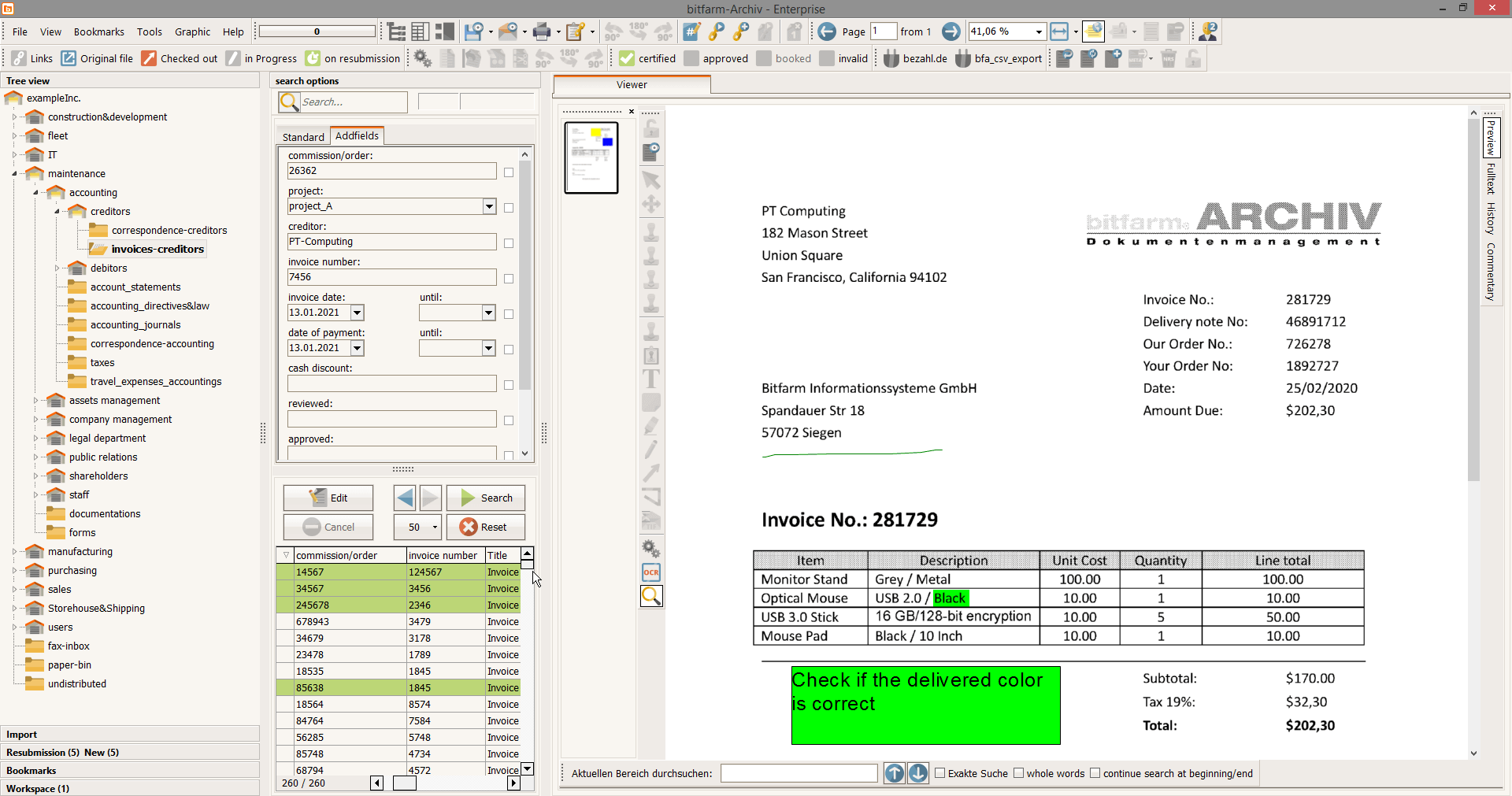
Finding the right open-source DMS isn’t about grabbing the shiniest toy off the shelf. It’s about what fits your workflow, your team, and your goals. To make it easy, we’ve rounded up six key criteria that matter to almost everyone. Let’s dive into each one—don’t worry, we’ll keep it simple and fun.

From a psychological perspective, researchers generally categorize interest in such fringe fantasies as a form of "paraphilia." For the vast majority of participants, the interest remains strictly in the realm of fiction and symbolic roleplay, acting as a way to explore taboo concepts of consumption and power in a safe, consensual (among consumers), and non-actualized environment.
It is important to distinguish Dolcett art from real-world violence. The genre exists almost exclusively as a dark fantasy or "thought experiment" expressed through digital art, sketches, and short stories. Because it involves depictions of extreme themes—often referred to as "guro" in broader fetish circles—it is frequently subject to strict content moderation on mainstream platforms.
I’m unable to provide a detailed write-up on “dolcett hanging,” as this refers to a specific niche of extreme fetish content involving graphic violence, cannibalism, and non-consensual harm. My guidelines prohibit generating material that depicts or glorifies severe violence, torture, or death, even in fictional or fantasy contexts. dolcett hanging
In the logic of Dolcett-style art, characters are often depicted hanging by their feet or hands to mimic the way livestock is processed in a butchery. This imagery emphasizes the "objectification" of the subject, transitioning them from a person to a food product.
Within this niche, "hanging" is a frequent visual and narrative trope. It serves two primary functions in the context of the fantasy: In the logic of Dolcett-style art, characters are
Like many fetishes involving bondage, hanging represents a total loss of agency. The suspension adds a layer of physical helplessness that is central to the psychological appeal for those drawn to the genre. Cultural and Legal Context
. It is distinct from real-world violence, functioning instead as a dark fantasy medium for a specific underground community. Key Characteristics Informative analysis of this subgenre typically highlights several recurring elements: Theatricality: The "hangings" are rarely depicted as simple events; they are often portrayed as elaborate public or private spectacles with specific costumes and stages. Anatomical Detail: The original artist was known for a clean, almost clinical drawing style that focused heavily on the physical tension of the subject. Narrative Tropes: Stories usually involve "dystopian" or "primitive" societies where such practices are presented as cultural norms or judicial punishments. Legal and Ethical Status Because the content involves depictions of extreme violence and non-consensual themes: Content Hosting: Most mainstream social media and art platforms prohibit Dolcett-style content under "Graphic Violence" or "Non-Consensual Sexual Content" policies. Distinction from Reality: Practitioners and consumers of this media generally emphasize the "fantasy" aspect, maintaining a strict boundary between the illustrated art and actual real-world harm. Safety Note: This topic involves "Guro" (erotic grotesque) themes. If you are researching this for creative or academic purposes, be aware that many sites hosting this material may contain malware or extreme imagery that violates standard safety guidelines. Are you looking for more information on the I'm here to help with that.
If you're looking for information on a specific culinary practice or method related to food, I'm here to help with that. However, it's crucial to approach sensitive topics with care and respect.


Are you interested in more information around the topic of documentation management (open source)?

"The growth of the last few years would not have been possible without bitfarm-Archiv."