Young Sheldon S01e04 240p !new! ⚡
In conclusion, while 240p might seem like a technical relic, applying it to Young Sheldon S01E04 offers a lesson in essential storytelling. It strips the sitcom down to its most basic elements: dialogue, timing, and character. Whether seen in the sharpest resolution or the grainiest of pixels, Sheldon’s struggle to navigate a world that doesn’t fit him remains a universally resonant narrative, proving that high-quality storytelling is never truly dependent on high-definition rendering. What or technical aspects of this episode
Of course, the 240p version has its drawbacks. The comic book panels Sheldon obsesses over are nearly illegible smudges. Subtle facial reactions from Zoe Perry’s Mary Cooper or Lance Barber’s George Sr. get lost in pixelation. But for a quick nostalgia trip or a bandwidth-conscious rewatch, this low-fi edition of S01E04 proves that Sheldon’s wit and heart can shine through even the blurriest of screens. After all, genius doesn’t need high definition—just a clear signal and a loving family, even if you can barely make out their faces.
At 240p, you lose the fine details—the texture of the curtains, the extras in the background, or the fine print on Sheldon’s comics. However, this forces the viewer to focus entirely on the performances. young sheldon s01e04 240p
In this episode, 9-year-old Sheldon Cooper (Iain Armitage) is sent to therapist Dr. Goetsch after a school aptitude test suggests he might struggle socially. Meanwhile, his twin sister Missy takes advantage of the family’s focus on Sheldon, and his father George deals with his own pressures. The plot’s emotional core—Sheldon’s struggle to understand metaphors and the family’s quiet frustrations—is surprisingly well-suited to the 240p format. The blurry edges soften the sitcom’s polished production, making the Cooper family’s worn-out living room and clunky 80s technology feel even more authentic.
Why discuss this episode in ? In an era of 4K streaming and high-definition surround sound, watching a show in 240p is a deliberate choice that changes the viewing dynamic. In conclusion, while 240p might seem like a
The central plot kicks off when Sheldon (Iain Armitage) declares that he intends to stop saying "grace" before meals. Having learned about the scientific origins of the universe, Sheldon decides that the concept of the Biblical creation story conflicts with his understanding of physics. He decides he can no longer participate in the ritual of prayer.
" Season 1, Episode 4, viewed through the lens of low-resolution media. What or technical aspects of this episode Of
Pastor Jeff (Matt Hobby) serves as a great foil here. Rather than being a caricature of a religious leader, he attempts to engage Sheldon intellectually, realizing that scolding him won't work. The resolution—where Mary accepts that she loves Sheldon even if he doesn't believe what she believes—is the emotional hook that turned this show from a simple spin-off into a critical darling.
The episode begins with a traumatic breakfast incident where Sheldon almost dies after choking on a breakfast sausage. This near-death experience triggers a severe phobia of solid food, leading Sheldon to survive solely on a liquid diet—including "pork shakes" blended by his mother, Mary.
Inspired by the heroism of the X-Men, Sheldon finally gathers the courage to take a bite of solid food (a Twizzler) at a local comic book store with his friend Tam, effectively ending his phobia. Director: Jaffar Mahmood
Iain Armitage (Sheldon), Zoe Perry (Mary), Lance Barber (George Sr.), Montana Jordan (Georgie), Raegan Revord (Missy), and Annie Potts (Meemaw)

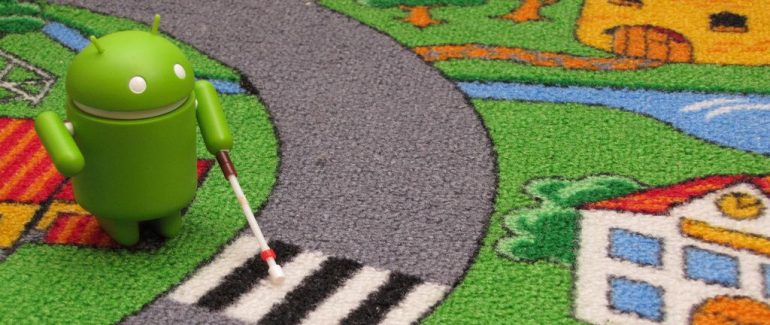
Už funguje i na androidu, tak ho zkouším a zatím se mi líbí natolik, že ho asi budu střídat s Eliškou, kterou používám už mnoho let. Přijde mi skvělé, že dneska už i hlas zdarma může být kvalitní a neznít moc synteticky.